

Managing Winter Challenges
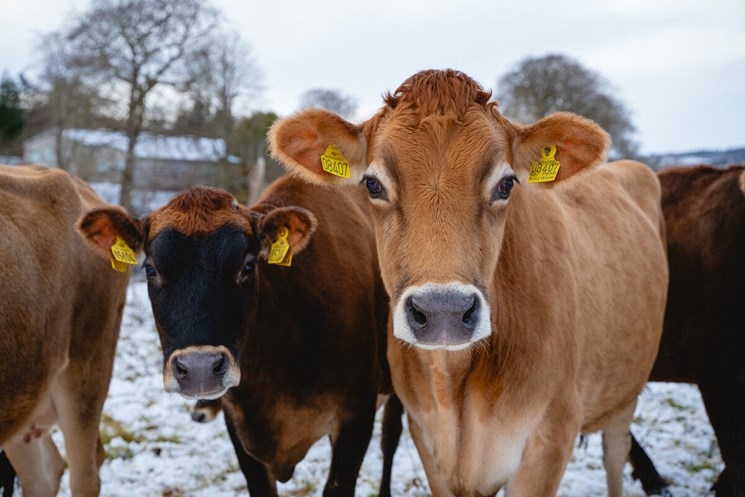
Abortion Risks In Late Pregnancy
As we move into January, many suckler herds are in the final third of pregnancy, and seasonal calving dairy herds are starting to calve. This is the time when problems like late embryo loss and abortion can appear.
Key risk factors:
- Feed-borne and environmental causes: Bacteria, fungi, and yeasts from silage or water troughs.
- Poor silage preservation: Mould contamination on bale edges or clamp fronts increases risk.
What you can do:
- Feed the best quality silage available.
- Avoid mouldy or contaminated areas.
- Check silage analysis—high ash content may indicate soil contamination, which poses a risk.
If abortions occur late in pregnancy, investigate immediately. These are not normal and could indicate infectious disease or management issues. Speak to your vet or SRUC Veterinary Services to identify causes and plan ahead.
Cold Weather Challenges
With temperatures well below zero, water supply is a major concern. Frozen troughs can interrupt access, and when water returns, animals may drink excessively, which in rare cases can cause illness or nervous signs.
Preventative tips:
- Keep water flowing—defrost troughs regularly.
- Monitor animals after water supply resumes.
Caring for Newborn Calves
A newborn calf’s lower critical temperature is 10-15°C—far above current conditions. To keep calves healthy:
- Use heat lamps or calf jackets.
- Provide deep straw bedding for nesting.
- Shelter calves from wind and cold concrete (insulate walls if needed).
- Maintain good air quality without draughts at calf level.
Sheep: Scanning and Abortion Risks
Lowground flocks are entering early lambing. If late-term abortions occur, investigate promptly to identify infectious causes and plan for future prevention.
For later lambing flocks, at scanning time:
- Review barren rates—could be infectious, nutritional, or management-related.
- Assess body condition and adjust feeding plans.
- Watch for iceberg diseases and liver fluke risk.
Summary
- Prioritize silage quality and avoid contamination.
- Investigate any late-term abortions in cattle or sheep.
- Maintain water supply during freezing conditions.
- Keep newborn calves warm and healthy.
- Use scanning results to guide flock management.
For advice or investigations, contact your vet or SRUC Veterinary Services. Working together and being vigilant helps protect herd and flock health and productivity.
Posted by SRUC Veterinary Services on 07/01/2026
