

Why You Should Be Measuring Ewe Colostrum Quality
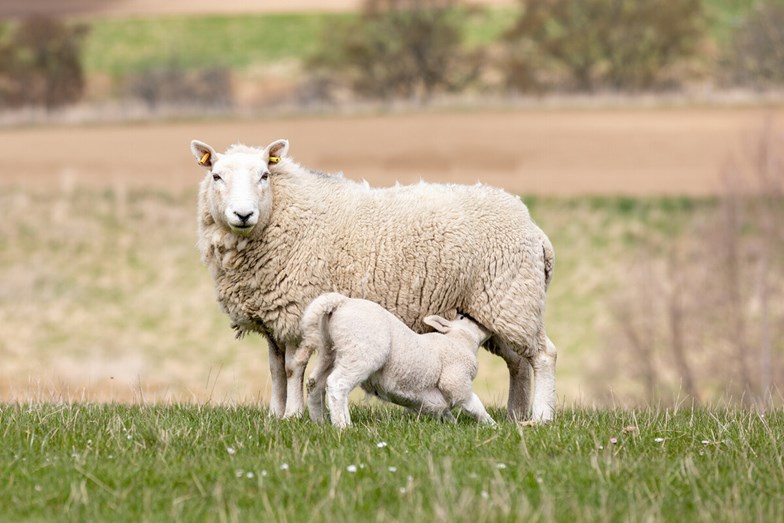
Most sheep farmers recognise the vital role colostrum plays in lamb survival. What’s discussed far less often is how to measure its quality—and whether doing so is even practical in a busy lambing shed.
Recent work carried out across commercial flocks shows that yes, it absolutely can be measured, and the results are well worth paying attention to.
What the Study Found
A total of 64 commercial flocks took part, collecting colostrum samples from 10 ewes at both the start and end of lambing—an impressive 1,295 samples in total. Farmers tested these on-farm using a Brix refractometer, a simple and inexpensive tool.
Here’s what they discovered:
- 76% of samples scored above 26.5% Brix, and were therefore classed as good-quality colostrum.
- However, colostrum quality varied both within individual flocks and between different flocks.
- Only 9 flocks had all 20 samples fall into the good-quality category—showing there’s plenty of room for improvement across the sector.
Why It Matters
Timely intake of high-quality colostrum is crucial for preventing:
- Hypothermia
- Starvation
- Septicaemia
Good colostrum also helps reduce the need for antibiotics, an increasingly important goal for the industry.
Most lamb losses occur in the first week of life, and average perinatal mortality still sits at 15–20%. If this study reflects the wider national flock, improving colostrum quality could make a meaningful difference in lamb survival rates.
Nutrition in Late Pregnancy: The Key to Better Colostrum
The final three weeks of gestation are when colostrum is formed. This is when the ewe’s diet has the biggest effect on quality. Several factors stood out:
- Supplementary Feeding for Multiple-Bearing Ewes
Ewes carrying multiples need extra nutrition—and the study confirmed why:
- Triplet-bearing ewes without supplementary feeding produced good-quality colostrum in only 52% of samples.
- With supplementary feeding, that figure jumped to 84%.
This highlights the importance of feed planning based on scanning results.
- Adequate Trough Space
Even the best ration won’t help if ewes can’t access it.
- Where trough space was below 45 cm/ewe, only 68% of colostrum samples were classed as good.
- When trough space met or exceeded 45 cm/ewe, the figure rose to 84%.
Tight feeding space can lead to shy feeders, increased stress, and poorer overall nutrition—especially in twin- and triplet-bearing groups.
- Silage Quality, Especially Protein
Silage with crude protein over 120 g/kg had a positive impact:
- Ewes on higher-protein silage produced 85% good-quality samples.
- Lower-protein silage saw noticeably poorer results.
This reinforces the value of annual silage analysis and matching feed to flock needs.
- Difficult-to-Strip Ewes
Less than half of the ewes recorded as difficult to strip produced good-quality colostrum.
Possible reasons include:
- Previous, undiagnosed mastitis, reducing milk production
- Inadequate protein in the diet, increasing the risk of udder issues.
This is a useful reminder to monitor udders closely—and to ensure nutritional needs are met.
Take-Home Message for Farmers
Measuring colostrum quality is both achievable and informative. Using a simple Brix refractometer, farmers can identify issues early and make practical improvements that boost lamb health and survival.
Good colostrum starts with:
- Correct feeding in late pregnancy
- Adequate trough space
- Quality forage
- Careful monitoring of ewe udder health.
With lamb survival under constant pressure, focusing on colostrum quality is a small step that can yield big results.
Posted by SRUC Veterinary Services on 13/02/2026
