

Veterinary Services

Look Out for Rickets in 2026
As we move into the early months of the year, it’s important to keep an eye out for rickets in lambs and hoggs. This condition, while not new, can catch flocks off guard—especially under certain management and nutritional circumstances.…
- SRUC Veterinary Services
- 07/01/2026

 Read more

Safe Sample Packaging: A Reminder for Veterinary Practices
A reminder to our cutomers on the correct packaging procedures for samples being submitted to us for testing.…
- SRUC Veterinary Services
- 26/11/2025
Read more
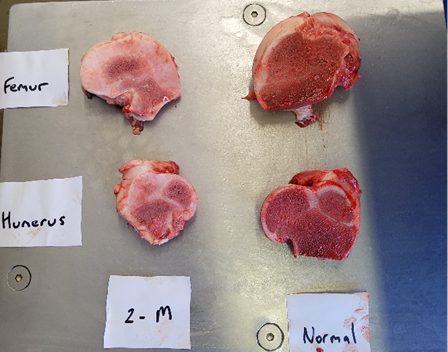
Long Bone Deformity: Now Is the Time to Act
Our vets saw several cases of Long Bone Deformity (LBD) this calving season. Read more about the disease and how it can be prevented with practical tips from our Dumfries team.…
- SRUC Veterinary Services
- 16/10/2025
Read more

Watch Your Hedges and Ditches: The Hidden Danger of Hemlock
A reminder to vets and livestock keepers to be vigilant for the signs of hemlock poisoning.…
- SRUC Veterinary Services
- 19/09/2025
Read more
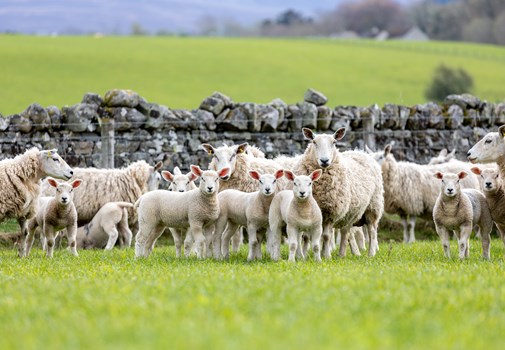
Safeguarding Flocks from EAE: Why Vigilance and Accreditation Matter
A reminder of the risks of EAE and how to prevent introducing it to your flock.…
- SRUC Veterinary Services
- 19/09/2025
Read more
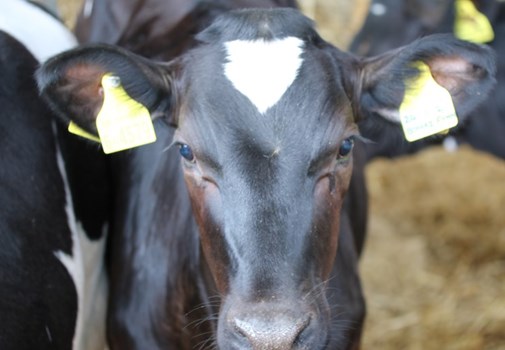
New Dairy BVD Negative Programme Launching October 2025
An update on the new CHeCS Dairy BVD Negative programme.…
- SRUC Veterinary Services
- 19/09/2025
Read more
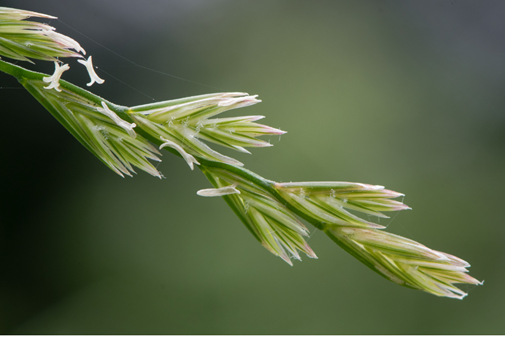
Increased Risk of Perennial Ryegrass Staggers this Autumn
There is an increased risk of perennial rygrass staggers this Aurumn as a result of fungal growth.…
- SRUC Veterinary Services
- 17/09/2025
Read more
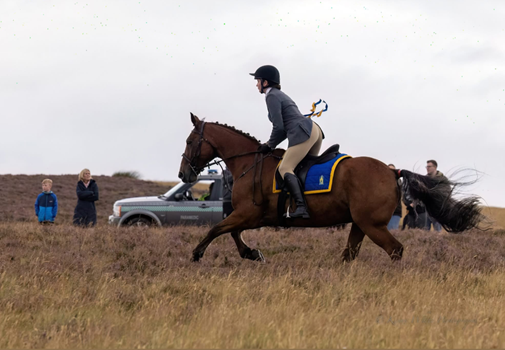
Employee Profile: Jess Donald, Post Mortem Support Officer
Meet Jess Donald, a dedicated member of our team at the St Boswells Disease Surveillance Centre. At just 21 years old, Jess joined us in April 2025 as a Post Mortem Support Officer (PMSO), bringing with her a passion for animal science and rural life.…
- SRUC Veterinary Services
- 29/08/2025
Read more
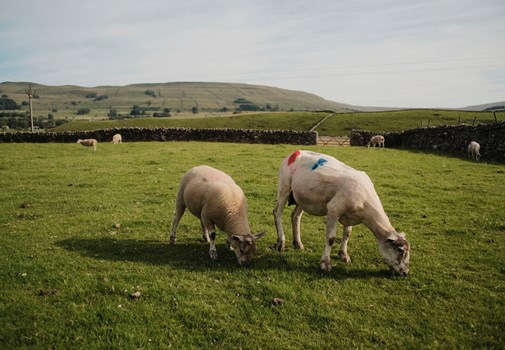
Nematodirus Warning: PGE Risk in Lambs Is Rising
Our Veterinary Investigation Officers are seeing an unseasonably high number of PGE (parasitic gastroenteritis) and Nematodirus cases in recent weeks. Read on to learn about what has casued the increased worm challenege and how you can reduce the risk to your stock.…
- SRUC Veterinary Services
- 25/07/2025
Read more
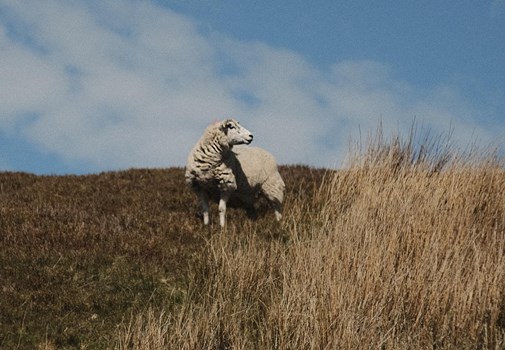
Louping Ill Cases Detected in the Scottish Borders
Our Veterinary Investigation Officers have diagnosed two cases of Louping Ill Virus in sheep in recent weeks, the first cases to be diagnosed since 2023. Read on to learn more about presentation, diagnosis and why we are seeing an increase in tick-borne diseases.…
- SRUC Veterinary Services
- 10/06/2025
Read more
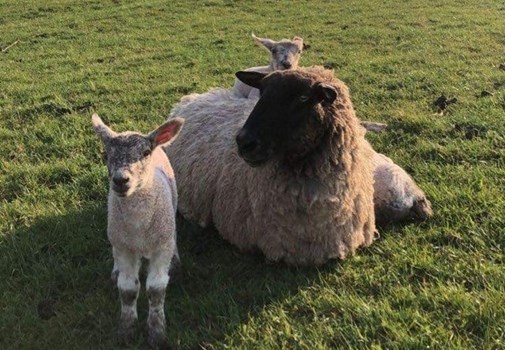
Post-lambing blood sampling in ewes
Considering blood sampling some sheep which aborted or appeared empty? There are limitations to testing for infectious abortion after lambing season but in some cases it can be useful for flock health planning. …
- SRUC Veterinary Services
- 23/05/2025
Read more
Nematodirus risk
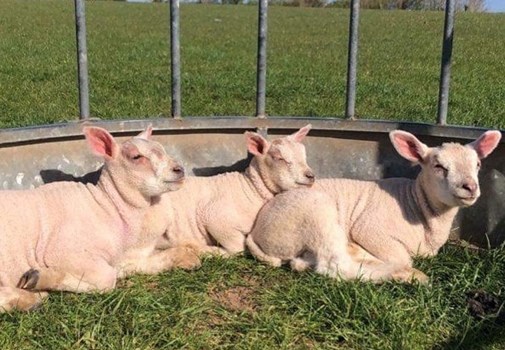
The beautifully warm spring has meant an early Nematodirus hatch this year. Last week Aberdeen had three submissions of 6-8 week old lambs which have been diagnosed as acute nematodirosis. …
- SRUC Veterinary Services
- 20/05/2025
Read more