

Nutritional management using metabolic profiling of suckler cows
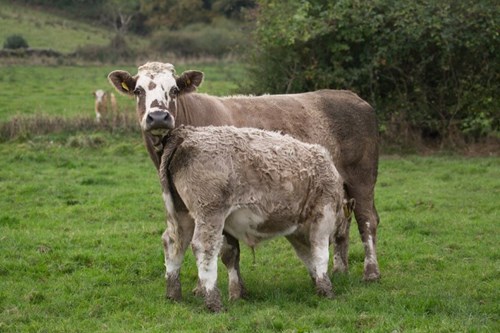
With the summer ending, autumn is fast approaching, which means those with autumn calving herds are preparing for calving. Metabolic profiling has been a long-established preventative management tool in dairy herds, however, in recent years there has been an increase in the uptake of suckler herds using metabolic profiling to assess if nutritional needs are being met. A metabolic profile allows you to identify issues or imbalances before they become a problem and make corrective actions to the diet in a timely fashion.
Metabolic profiling involves blood testing cows at keys times in the production cycle, such as pre and post calving to assess nutritional status. The testing is carried out by the farm veterinarian, in late pregnancy, preferably within one month from calving. A minimum of six cows and or heifers should be selected for testing from each separately managed group. Animals sampled should be a good representation of the herd and cows should be on their current ration for at least two weeks before sampling to ensure the results reflect the ration accurately. The cow’s diet should remain consistent prior to testing as some of the blood parameters are sensitive to changes in the short-term intake.
If the diet is being altered prior to testing, ensure the animals have had two weeks on the new ration to adjust before the test is carried out. The profile could also be repeated three weeks post calving to give more information.
It is advisable at the same time as taking the bloods that body condition score should also be assessed. Further information on body condition scoring can be found on the SRUC website.
When submitting samples alongside the ration information all relevant information should be available to help provide a more accurate diagnostic including:
- Forage analysis
- If cows are outwintered or housed
- If applicable what minerals or compound feeds are being provided
- Information on cows sampled including average weight, breed and stage of pregnancy/lactation/expected calving date, and body condition
The metabolic test is used to measure the energy, protein, mineral and trace element status of the animal.
Energy - Sufficient energy is important to produce colostrum and milk. Also, a cow with negative energy at calving and the period after calving is more likely to struggle to go back in calf compared with a cow with a positive energy balance. Being able to get a cow back in calf again to calve again within 12 months is a key driver towards herd profitability.
Protein – Sufficient protein is essential for high-quality colostrum and milk alongside healthy rumen function. Protein is important for many functions including growth, maintenance of body protein reserves, maintenance of pregnancy, and calf growth. Protein testing can also flag up underlying disease issues such as Johne’s disease
Minerals - Magnesium is vital for mobilisation of bodily calcium. Mobilising calcium is important for muscle function during the birthing process and avoiding slow calvings as well as avoiding milk fever and staggers.
Phosphorus is required for energy metabolism.
Trace Elements - Trace elements such as copper, selenium and iodine are all important in terms of calving efficiency, immunity, fertility and colostrum quality.
The routine package generally includes:
- Energy status: beta-hydroxybutrate (BHOB), non-esterified fatty acids (NEFAs) and glucose
- Protein: urea, albumin and globulin
- Major minerals: phosphorus and magnesium
- Trace elements: copper and GSHPx (a selenium dependent enzyme which highlights selenium status)
A table detailing how to interpret results, the parameters measured in the blood, target levels and what they indicate can be found within this technical note on Scotland’s Farm Advisory Service (FAS) website.
High NEFAs affect body fat reserves and are associated with excessive mobilisation of body fat reserves and therefore have the potential to result in body condition loss.
Body condition score at calving is one of the main factors that influences the length of the anoestrus period after calving and the ability of a cow to get back in calf within the desired period to maintain the 410-day calving interval associated with the Scottish Suckler Beef Support Scheme (SSBSS).
Beef suckler cows are commonly diagnosed with low blood urea levels, especially those fed on low-quality forage and straw prior to calving, this results in deficiencies in rumen degradable protein. It is important for the rumen to maintain an adequate supply of rumen degradable protein to ensure rumen microbes synthesise microbial protein, a high-quality protein used by the small intestine to aid digestion.
Understanding how well animals are responding to the diet they are being fed and whether it is meeting their nutritional needs, can only have a positive effect on the productivity of the herd. Metabolic profiling in suckler cows pre- and post-calving is a useful exercise to objectively assess nutritional status, highlighting deficiencies early so adjustments can be made to rations and mineral specifications. Metabolic profiling allows for action to be taken before clinical signs start to highlight dietary deficiencies, often this is too late resulting in costly bills and reduced productivity from the herd.
Useful links
- www.fas.scot/publication/technical-note-tn745-metabolic-profiling-in-the-suckler-herd
- www.fas.scot/article/nutritional-management-and-metabolic-profiling-of-suckler-cows
- www.sruc.ac.uk/all-sac-consulting-news-posts/metabolic-profiling-suckler-cows
- www.fas.scot/podcast/feeding-for-fertility
Davina Johnston, Agricultural Consultant, Davina.Johnston@sac.co.uk
Posted by SAC Consulting on 21/09/2026
